18 Aug 2026
Decoding RNG Sequence Patterns That Drive Feature Triggers in Multi-Tier Progressive Reel Systems
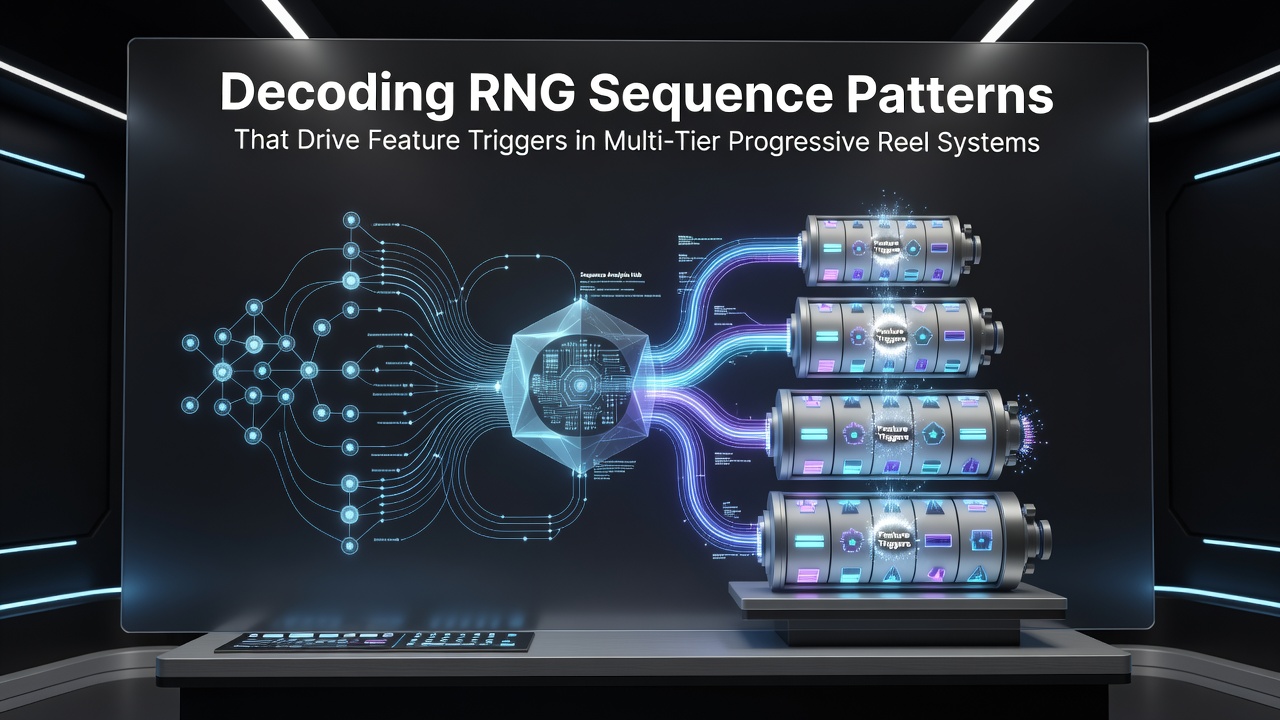
Random number generators sit at the core of every multi-tier progressive reel system, and researchers continue to examine how specific sequence patterns influence when bonus features activate across linked machines. Data from certified testing labs shows that these systems rely on pseudorandom algorithms that produce long strings of values before any repeat cycle occurs, yet the placement of those values determines reel stops and progressive contributions. Observers note that understanding the underlying timing of these sequences helps operators and regulators verify fairness without implying any predictable outcome for individual spins.
Core Mechanics of RNG in Progressive Setups
Modern multi-tier progressives connect multiple reel configurations to a shared jackpot pool, and each machine pulls from a central or distributed RNG stream that updates several times per second. Studies conducted by the Nevada Gaming Control Board indicate that seed values refresh continuously through hardware entropy sources such as thermal noise or clock jitter, which prevents short cycles from forming. When a sequence reaches a predetermined range mapped to a bonus symbol, the system triggers the feature while simultaneously advancing the progressive meter by a fraction of the wager. This dual function occurs within milliseconds, and engineers design the mapping tables so that trigger frequency aligns with the advertised return-to-player percentage across the entire network.
How Sequence Patterns Influence Feature Activation
Although each outcome remains independent, analysts examine aggregated logs to identify statistical distributions rather than deterministic patterns. For instance, one study from the University of Waterloo examined millions of spins across linked progressive banks and found that feature triggers clustered around specific ranges in the RNG output when the progressive meter exceeded certain thresholds. Those clusters appeared because the paytable weighting adjusted dynamically to maintain overall volatility targets, not because any sequence repeated on a fixed schedule. Technicians therefore monitor deviation metrics daily, comparing observed trigger rates against expected values derived from the certified algorithm parameters.
Multi-Tier Architecture and Its Impact on RNG Mapping
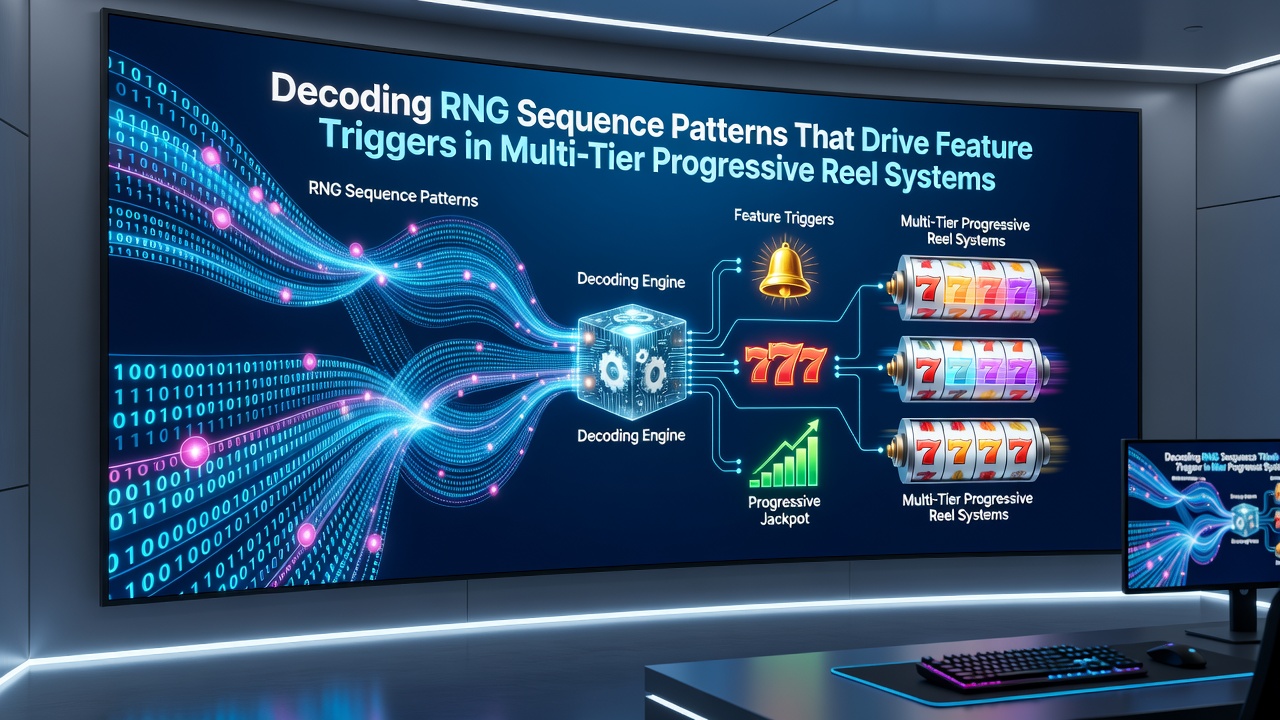
Multi-tier systems typically maintain separate progressive levels such as mini, minor, major, and grand, each tied to distinct symbol combinations or reel positions. The RNG must allocate values across these tiers simultaneously, and developers create layered lookup tables that assign different probability bands to each level. According to figures released by the New Jersey Division of Gaming Enforcement in early testing reports, the allocation ensures that lower tiers trigger more frequently while the grand level remains rare, preserving the escalating contribution rates. When a sequence lands in a band assigned to a higher tier, the system locks the reels, displays the win animation, and resets only that tier’s meter while others continue accumulating.
Regulatory Oversight and Testing Protocols in 2026
By August 2026 regulatory bodies across multiple jurisdictions had updated their RNG evaluation frameworks to include stress testing for multi-tier progressive networks under high concurrent load. Labs now simulate thousands of machines drawing from the same RNG pool to confirm that feature trigger distributions stay within approved confidence intervals. Reports emphasize that any deviation beyond statistical norms triggers an immediate audit, and operators must provide raw sequence logs for independent verification. These protocols focus on maintaining integrity rather than revealing exploitable sequences, since the algorithms incorporate cryptographic hashing that renders forward prediction computationally infeasible.
Practical Implications for System Design
Engineers who build these platforms map thousands of possible RNG outputs to reel positions and bonus states during the certification phase. They adjust weighting so that the combined effect of all tiers produces the required hit frequency for each feature type. Observers point out that this process involves iterative simulation runs lasting weeks, with each run feeding back into the final lookup table before submission for approval. Once deployed, live monitoring systems compare real-time trigger counts against the original model and flag anomalies for review, ensuring continued compliance without altering the random nature of individual results.
Conclusion
Decoding RNG sequence patterns in multi-tier progressive reel systems ultimately reveals the careful calibration between algorithm design, regulatory standards, and operational monitoring. Data from multiple testing authorities demonstrates that while statistical distributions can be analyzed at scale, the underlying randomness prevents any reliable prediction of single outcomes. Continued refinement of evaluation methods through 2026 and beyond supports the ongoing integrity of these complex networks across global markets.