20 Aug 2026
Navigating Bonus Tier Structures in Multiplayer Virtual Card Sessions

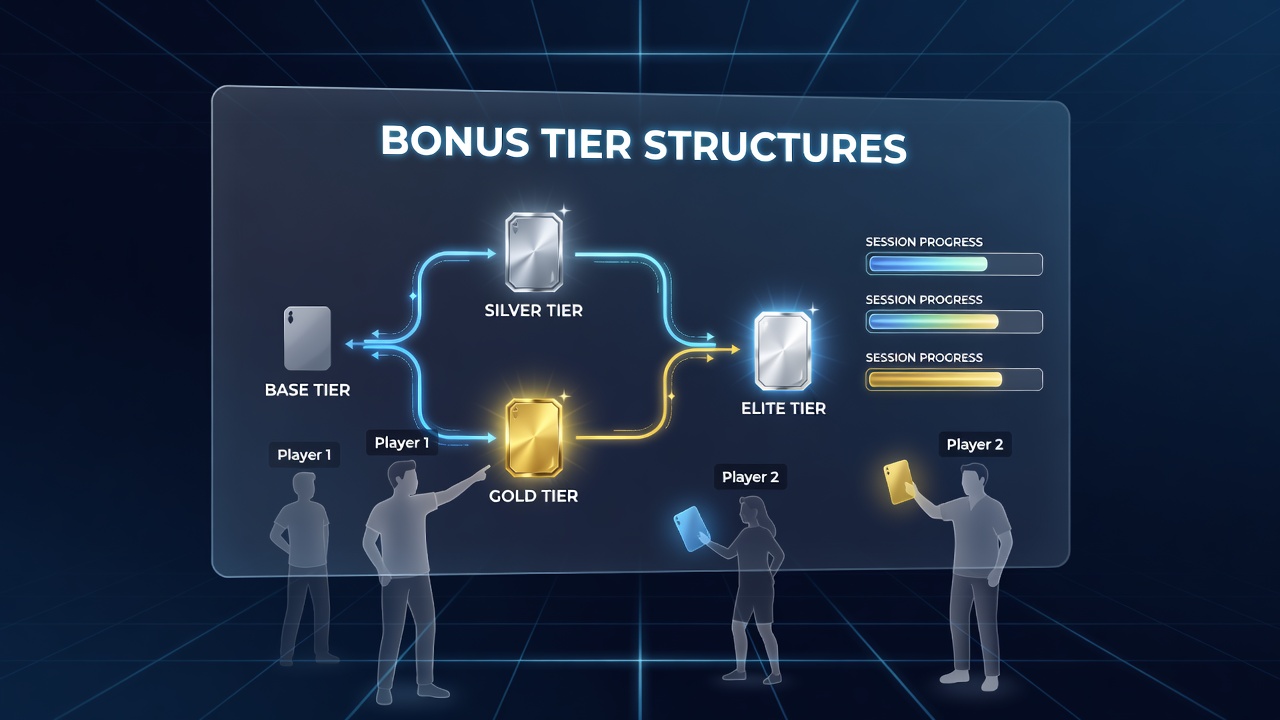
Multiplayer virtual card sessions operate through layered bonus tier systems that assign rewards based on participation frequency, wager volume, and session outcomes, data from regulatory filings show. These structures typically progress from entry-level access to premium benefits, with each tier unlocking additional multipliers or exclusive features during live table interactions.
Entry tiers grant basic enhancements such as standard reward points per hand, while mid-level tiers introduce elements like accelerated point accumulation and access to private tables, according to reports compiled by the Nevada Gaming Control Board in 2025. Higher tiers often incorporate dynamic adjustments where bonus rates scale with concurrent player counts, creating incentives for sustained engagement across multiple sessions.
Core Components of Tier Progression
Progression mechanics rely on tracked metrics including total hands played, average bet size, and win-loss ratios accumulated over defined periods, figures from the European Gaming and Betting Association indicate. Players advance when thresholds are met, and systems automatically recalibrate benefits without requiring manual intervention in most platforms operating today.
Virtual card environments add complexity because real-time interactions among participants affect tier eligibility windows, observers note. For instance, group challenges within a session may contribute to collective tier unlocks that benefit all qualifying members simultaneously, whereas individual performance dictates personal advancement rates.
Multiplayer Dynamics and Reward Allocation
Bonus distribution in these sessions factors in both individual tier status and overall table activity, research compiled by the Journal of Gambling Studies reveals. Platforms calculate contributions from each participant, then apply tier-specific multipliers to the resulting pool before allocation occurs at session close.
Take one documented case from North American operators where silver-tier players received 1.5 times base rewards during peak multiplayer events, while gold-tier participants accessed an additional 0.5 multiplier on top of that, data collected through platform audits confirm. Such layering encourages strategic table selection because higher-tier individuals often migrate toward populated rooms to maximize compounded returns.
Regional Regulatory Influences on Tier Design
Frameworks established by bodies such as the Malta Gaming Authority require transparent disclosure of tier criteria and reset schedules, ensuring participants receive clear information before committing to extended play. In August 2026, updated guidelines from the same authority introduced mandatory reporting intervals for tier performance metrics across virtual card offerings.
Australian operators follow parallel standards set by the Australian Communications and Media Authority, which mandate that bonus structures remain consistent regardless of session size. These rules prevent sudden alterations mid-campaign and tie tier benefits directly to verifiable activity logs rather than discretionary operator decisions.
Practical Navigation Approaches Observed in Practice
Participants who monitor cumulative progress through integrated dashboards achieve faster tier elevation because they adjust session length and bet sizing in response to real-time feedback, studies published in gaming analytics reports demonstrate. Coordination with other players during group events further amplifies point accrual when platforms recognize cooperative milestones.
Yet systems vary by provider, so cross-referencing terms across different virtual environments remains essential. One analysis of European platforms found that reset periods range from weekly to monthly, directly impacting the speed at which players regain eligibility for lower-tier re-entry after reaching higher status.
Conclusion
Bonus tier structures in multiplayer virtual card sessions integrate measurable activity thresholds with dynamic multiplayer variables to determine reward scaling. Regulatory oversight from multiple jurisdictions continues to shape disclosure requirements and operational consistency, while platform-specific mechanics determine how individuals and groups maximize their positioning within these systems.